×
Participation of the Hellenic Court of Audit in the Annual Meeting of Liaison Officers (LO) of EU Supreme Audit Institutions – Greece to Host a High-Level Conference in 2027.
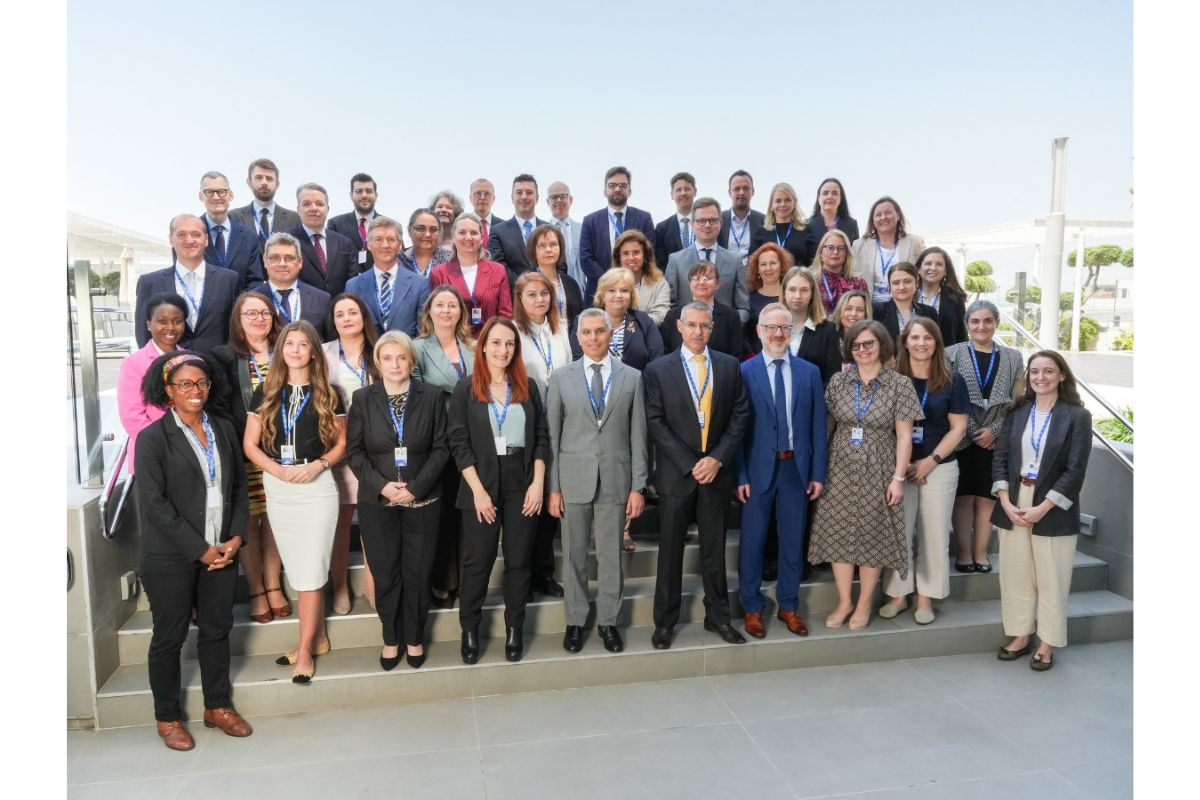
A delegation from the Hellenic Court of Audit successfully participated in the Annual Meeting of Liaison Officers (LO) of the Supreme Audit Institutions (SAIs) of the European Union. This year's meeting was held in Larnaca, Cyprus, on 28 and 29 April 2026, and was hosted by the Audit Office of the Republic of Cyprus.
The Hellenic Court of Audit's delegation comprised Ms A. Mavrommati, Judge Counselor and Liaison Officer of the Court to the European Court of Auditors and the SAIs of the EU member states, and Mr E. Kalaintzis, Junior Judge and assistant to the Liaison Officer.
During the meeting, representatives of the European SAIs discussed key issues related to coordination and strategic planning. In particular, the agenda included:
-Preparations for the forthcoming meeting of the Contact Committee, scheduled take place in France on 13 and 14 October 2026.
-An update on the progress of the Contact Committee’s ongoing activities.
-An exchange of views on developments at both Member State and EU level concerning the Declaration on the European Investment Bank (EIB).
-Consideration of important cooperation matters, including the European Commission's Rule of Law Report (particularly with regard to SAIs' access to data, the parallel audit on Anti-Money Laundering (AML), and the exchange of best practices for staff mobility.
The most significant development of the meeting for the Hellenic Court of Audit concerned the scheduling of events for 2027. In this context, it was officially confirmed that the Hellenic Court of Audit will host a High-Level Conference in 2027.
The Spokesperson
Dimitrios Peppas
Vice-President